SheetD·2
Razz Poker Rules: The Stud Game Where the Lowest Hand Wins
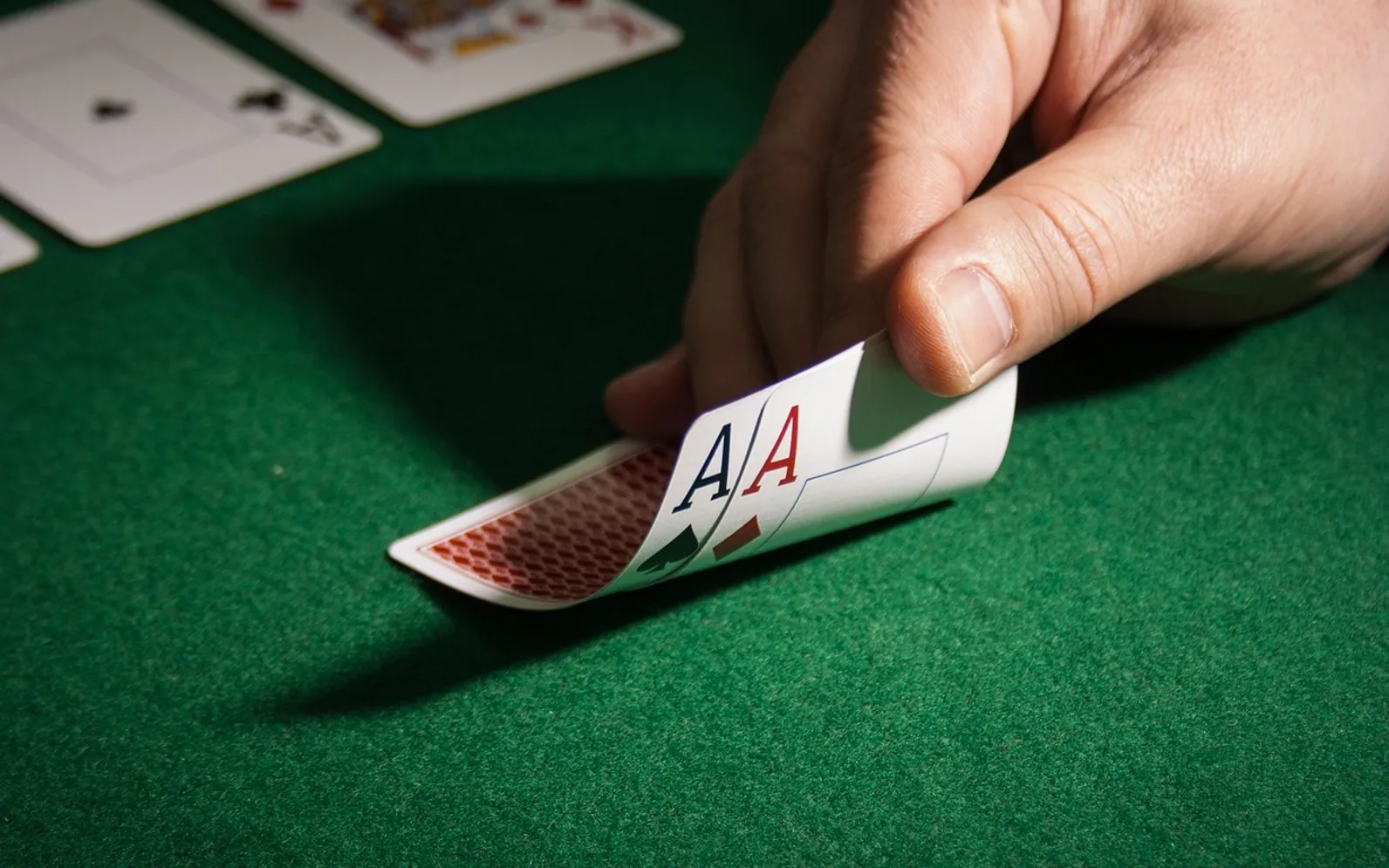
The dealer flips the door cards and one player groans at a king. In most poker games a king showing is a good start. In razz it is the worst card on the table, and it means that player has to put in the forced bet. Everything in this game runs the other way: the lowest hand takes the pot, aces count as one, and a pair is a problem rather than a prize.
Razz uses the same deal and betting structure as seven-card stud. Each player gets seven cards, three face down and four face up, and builds the lowest five-card hand they can. It is the "R" in mixed-game rotations, and it turns up in card rooms and online lobbies for players who want a break from community-card games. This guide is for adults aged 18 or over and covers the rules from the first ante to the showdown.
How a low hand is ranked
Razz uses ace-to-five lowball ranking. Three rules make it work:
- Aces are always low. An ace is the best card you can hold.
- Straights and flushes do not count. Five-four-three-two-ace is a perfect low, not a straight, and five hearts are just five cards.
- Pairs hurt. A hand with five different ranks beats any hand with a pair, and a hand with one pair beats a hand with two.
Hands are named after their highest card. A hand topped by an eight is an "eight-low", one topped by a seven is a "seven-low", and so on. To compare two hands, look at the highest card of each first. If those match, move to the next highest card and keep going until one hand shows a lower card.
| Hand A | Hand B | Winner | Why |
|---|---|---|---|
| 5-4-3-2-A | 6-4-3-2-A | A | Five-low beats six-low; this is the best hand in the game |
| 8-6-4-3-2 | 8-7-3-2-A | A | Both are eight-lows; the second card, 6 against 7, decides it |
| 9-5-4-3-2 | 8-7-6-5-4 | B | Any eight-low beats any nine-low |
| K-Q-J-10-9 | 7-7-4-2-A | A | No pair beats a pair, however rough the unpaired hand |
Players call a hand "smooth" when the cards under the top one are low, and "rough" when they are close to it. An 8-4-3-2-A is a smooth eight; an 8-7-6-5-3 is a rough one.
Antes and the bring-in
Every player antes before the deal. Each then receives two cards face down and one face up. Here the logic of standard stud is reversed: the player showing the highest door card must make the bring-in, because a high card is the weakest start. A king is the highest rank, and aces, being low, never bring it in. If two players show the same rank, the room's posted suit order decides who pays. The player making the bring-in can post the minimum or complete it to a full small bet, and the action moves clockwise from there.
The streets, one by one
- Third street. Two down, one up. The high card brings it in; betting is at the small limit.
- Fourth street. One more card face up. From now on the player with the lowest showing hand acts first.
- Fifth street. Another upcard, and the bet doubles to the big limit.
- Sixth street. The last upcard, again at the big limit.
- Seventh street. A final card face down, a last round of betting, then the showdown.
Razz is almost always played fixed-limit, with a cap on raises per round. The full street-by-street table for the parent game, including how the dealer handles a short deck at an eight-handed table, is in our guide to seven-card stud rules and the bring-in; razz follows the same frame.
At the showdown
Each remaining player picks the best five of their seven cards for a low hand. Duplicated ranks are simply left out, which is why seven cards give a player room to dodge a pair. Unlike the hi-lo split games, razz has no qualifier, so someone always wins the whole pot, even if the best hand is a ten-low or a hand with a pair. Suits never matter at showdown, and identical lows split the pot.
What makes razz different to think about
Because four of each player's cards are exposed, a lot of information sits on the table. Every low card showing in front of an opponent is one that cannot help you. A player looking for a four will notice when two fours are already visible elsewhere. The general idea of tracking what is gone from a finite set is the same one behind why a 52-card deck makes card games different.
A few habits help newcomers follow the game:
- Value three different low cards on third street, the lower the better, and treat a starting pair or a picture card with suspicion.
- Watch the upcards of the players still in the hand. A board of small cards can look strong even when the hole cards are poor.
- Remember that one high card on a later street is not always fatal; with seven cards a player can still discard it.
- Be ready for long, slow pots. Five betting rounds mean many decisions, and calling all the way with a weak hand adds up.
Where razz sits among other card games
Lowball games tend to surprise people who learned poker through high-hand variants, because instincts built on chasing straights and flushes point the wrong way. That contrast makes razz a good teaching tool: it forces players to think about the ranks still available rather than the hands they wish they had. For a wider view of how skill and chance mix at the table, see our look at gambling with cards.
Card rooms take a rake from each pot, so the table as a whole pays for every hand dealt. Treat any session as paid entertainment, decide the amount before the first ante using a simple bankroll plan, and play only where real-money poker is lawful for adults in your area.
Questions? Write to us.
We read every message.