SheetD·1
Seven-Card Stud Rules: Antes, Streets and the Bring-In
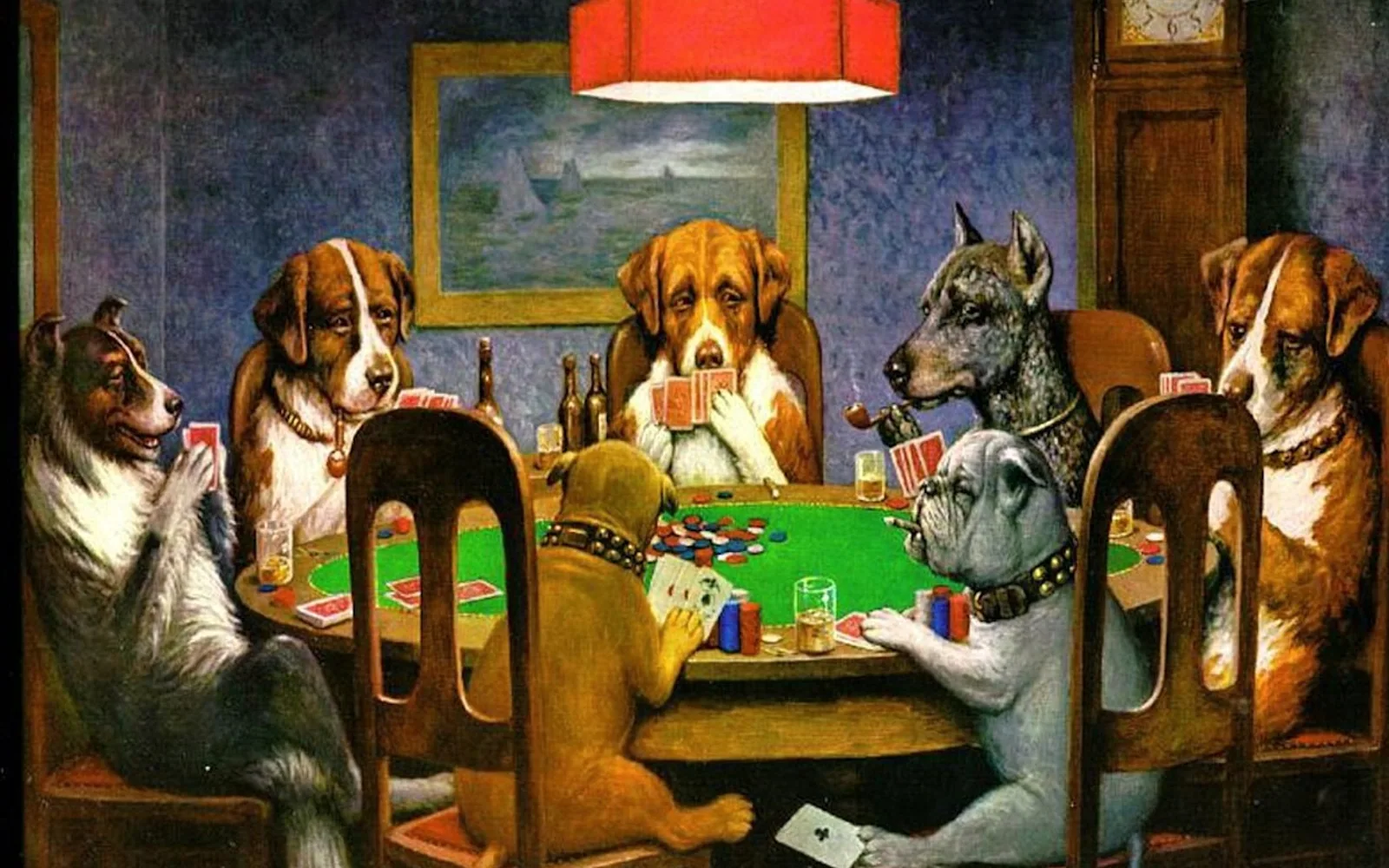
Seven-card stud is a poker game in which every player receives their own seven cards, three face down and four face up, and makes the best five-card hand from them. There are no community cards and no blinds. Play opens with antes, a forced bet called the bring-in, and then five betting rounds, one for each "street". It was the standard home and casino game for decades before hold'em spread, and it still appears in mixed-game rotations and online lobbies. This guide is written for adults aged 18 or over who want to follow a hand from the first deal to the showdown.
Before the deal: antes and the bring-in
Every player puts a small ante into the pot before any card is dealt. The dealer then gives each player two cards face down and one face up. That exposed card is the "door card", and it decides who has to start the action.
The player showing the lowest door card must make the bring-in, a forced bet smaller than a full bet. If two players show the same low rank, many card rooms break the tie by suit, ranking them from lowest to highest as clubs, diamonds, hearts and spades. House rules differ here, so a quick look at the posted rules or a question to the dealer settles it.
The player making the bring-in usually has a choice: post only the bring-in, or "complete" it to a full small bet. Action then moves clockwise, and each player may fold, call or raise.
The five streets
A stud hand is described by the number of cards each player holds at that moment. The table below sets out how the deal unfolds in a fixed-limit game, which is the most common structure.
| Street | New card | Who acts first | Bet size |
|---|---|---|---|
| Third street | Two down, one up | Lowest door card (bring-in) | Small bet |
| Fourth street | One up | Best hand showing | Small bet |
| Fifth street | One up | Best hand showing | Big bet |
| Sixth street | One up | Best hand showing | Big bet |
| Seventh street (the river) | One down | Best hand showing | Big bet |
From fourth street onward, the order changes with the cards. Whoever shows the strongest exposed holding acts first, so a player with a visible pair of queens speaks before a player whose upcards are unpaired. In many rooms, an open pair on fourth street gives the player the option to bet the big amount early.
Limits stay fixed: a small bet on the first two rounds and a big bet, usually double, on the last three. Most games cap the number of raises in a round, often at a bet and three raises.
Reading the table
What makes stud distinctive is how much information sits face up. By sixth street, each remaining opponent shows four cards. Those cards tell you what they could hold, and they also tell you which cards are no longer available to you. If you need a fourth heart for a flush and five hearts are already visible around the table, your chances have shrunk. The general idea that cards on the felt reshape what can still come is covered in our piece on why gambling with cards rewards attention, and the structure of the pack itself is laid out in a deck has 52 cards.
Players who keep stud fun tend to build a simple habit: on every street, glance at the upcards that matter to their own draw before deciding to call.
Seventh street and the showdown
The final card is dealt face down. After the last betting round, players still in the hand reveal their hole cards, and each uses the best five of their seven. The usual ranking applies, from high card up through a pair, two pair, trips, straight, flush, full house, four of a kind, straight flush and royal flush.
What happens if the deck runs short?
With eight players, a full deal needs 56 cards, four more than a deck holds. That is why stud tables seat eight at most. If every player stays to the river and the dealer cannot give everyone a seventh card, a single card is dealt face up in the middle and all players share it as their last card.
How are ties settled?
When two players hold the same type of hand, the higher ranks win. Two pair is compared by the top pair, then the second pair, then the fifth card. If the five best cards match rank for rank, the pot is split. Suits never break a tie at showdown; they only decide the bring-in.
Variants built on the same frame
- Razz deals exactly like seven-card stud, but the lowest hand wins. Straights and flushes do not count against a low hand, and the highest door card brings it in.
- Stud hi-lo (eight or better) splits each pot between the best high hand and the best qualifying low hand, which must be made from five unpaired cards of eight or lower.
- Five-card stud is the older, shorter form, with one card down, four up, and four betting rounds.
Common slips at a first stud table
- Forgetting who acts. The first player changes from street to street. Watch the dealer, who will point to the right seat.
- Folding out of turn. Mucking cards early gives away information and can change other players' decisions.
- Ignoring dead cards. Chasing a straight when the ranks you need are already showing elsewhere is a costly habit.
- Mixing up hole cards. Keep your down cards together and separate from the up cards so the dealer can read your hand.
- Staying in every hand. Five betting rounds add up. A weak start on third street is usually best released early.
Keeping the game in proportion
Stud is a game of skill and chance, and in casino card rooms the house takes a rake from each pot, so the table as a whole loses a little every hand. Treat a session as paid entertainment with a fixed spend rather than a source of income; our guide to what bankroll management means shows how to set that spend before the first ante. Stud is restricted to adults, and the minimum age and legal status of poker vary by place, so check the rules where you live before joining a game.
Questions? Write to us.
We read every message.