SheetG·10
Esports in Seoul: From PC Bang Roots to Packed Arenas
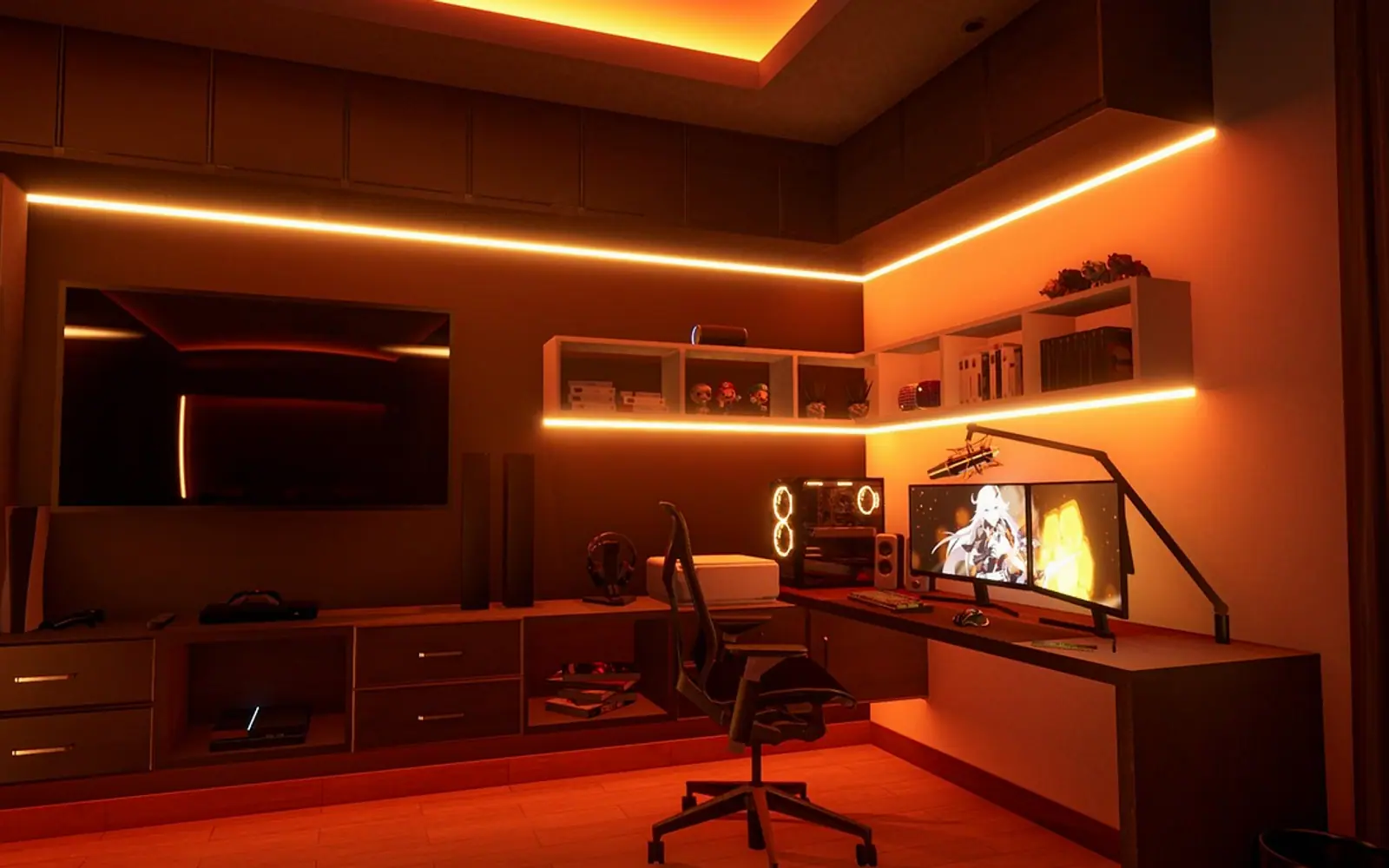
Seoul is often called the place where esports grew up, and the reason sits on almost every street corner: the PC bang, a gaming cafe where anyone can rent a fast computer by the hour. Those rooms created a huge pool of players who knew each other's skill levels, and broadcasters, organisers and sponsors built on that base until local tournaments moved into purpose-built arenas and onto television. For a visitor today, the result is a city where you can watch professionals in front of a roaring crowd in the afternoon and sit down at a rented PC yourself that evening.
How the PC bang changed everything
When fast home internet spread across South Korea around the turn of the millennium, many households still lacked a powerful gaming computer. PC bangs filled the gap. They offered strong hardware, cheap hourly rates, snacks and long opening hours, and they turned gaming into a social activity: friends booked seats next to each other, rivals from across the room became regular opponents, and local reputations formed quickly.
That density mattered. Talent could be spotted in a neighbourhood cafe, small tournaments were easy to organise, and a shared vocabulary of strategies spread from room to room. Competitive gaming stopped being a niche hobby and became something young people did together after school and work.
From cafes to cameras
Television followed the audience. Dedicated gaming channels began broadcasting matches with commentators, replays and studio sets, treating players like athletes. Teams formed with coaches, practice schedules and shared housing, and the broadcasts gave fans names and faces to follow. Over time, the scale outgrew studios, and finals moved into large indoor venues and stadiums. Online streaming then carried the same matches to viewers around the world, which is why Seoul's style of presentation still influences how esports looks elsewhere. If you are curious how that turned into a wider argument about whether this counts as sport, see our piece on the debate over whether esports is a sport.
What a live event feels like
Watching in person is very different from watching a stream. The match is still shown on giant screens, so you see the same view as viewers at home, but the room adds a layer you cannot get through headphones.
- The crowd. Fans arrive early, often in team colours, and cheer in organised chants. Big plays get a physical reaction that ripples through the seats.
- The casters. Commentators work from a desk near the stage, and their calls are piped through the venue speakers, so you hear the play-by-play and the crowd at once.
- Fan signs. Handmade boards, LED banners and printed messages for favourite players are a big part of the culture. Some venues limit size or ban sticks, so check the event's rules.
- The players. Competitors sit on stage in soundproofed booths, and you can see their reactions between rounds on the big screens.
Format matters for planning your day. A best-of series can finish quickly or stretch for hours, and group stages may run several matches back to back. Our guide to Swiss stages, brackets and best-of series explains what to expect from each.
Etiquette in the stands
Korean esports crowds are passionate but generally considerate. A few habits will help you blend in:
- Cheer for your side, but avoid booing the opponents; applause for good plays from either team is common.
- Keep signs below the height of the people behind you while play is on.
- Do not use flash photography toward the stage; it can distract players.
- Follow staff directions for queues, autograph sessions and exits, which are often tightly managed.
- Take your rubbish with you; tidy seating areas are expected.
Playing yourself in a gaming cafe
For many visitors, the most memorable part is sitting down at a PC bang. The process is simple: you take a seat, register at a kiosk or counter, top up time, and log in. Many cafes have English menus on the kiosk, and some allow visitors to pay without a local membership. Food is often ordered from your seat, from instant noodles to fried snacks, and delivered to your desk.
Expect large monitors, gaming chairs, good headsets and a quiet hum of keyboards. Smoking rules have changed over the years, and most cafes now keep separate smoking rooms or none at all. Be mindful of the people next to you: keep your voice down on voice chat and wear headphones rather than playing audio aloud.
Do you need a Korean account to play?
Some games require a regional account, and sign-up rules vary by title. Many cafes have the most popular games ready to launch, but if you want to play on your own account, check in advance whether it works from a Korean connection.
Celebrating after the match
When the final round ends, fans spill out to eat, replay highlights over dinner, and keep the evening going. One popular choice for groups is a karaoke room, or noraebang: a private room rented by the hour, with a big screen, microphones and a long song list. It is an easy place for a group of friends to keep the noise going after a win, or to sing off a disappointing loss. If your group is heading south of the river, the Gangnam Karaoke Information pages give a useful overview of how rooms work in that district.
Some groups prefer a late meal first; others go straight to the microphones. If drinks are part of the celebration, pace them, decide early how everyone is getting home, and leave driving out of the plan entirely.
Planning a visit around an event
Tickets for big finals can sell out quickly, while regular-season matches are often easier to attend. Check the organiser's official channels for ticketing, entry rules and any bag restrictions, and leave time between the match and your evening plans in case a series runs long. Seoul's subway makes it straightforward to move from an arena to a gaming cafe to a karaoke room in one night, which is about as complete a picture of the city's esports culture as a visitor can get.
Questions? Write to us.
We read every message.