SheetE·5
A Casino Movie Night: Five Card-Table Films and What They Get Right
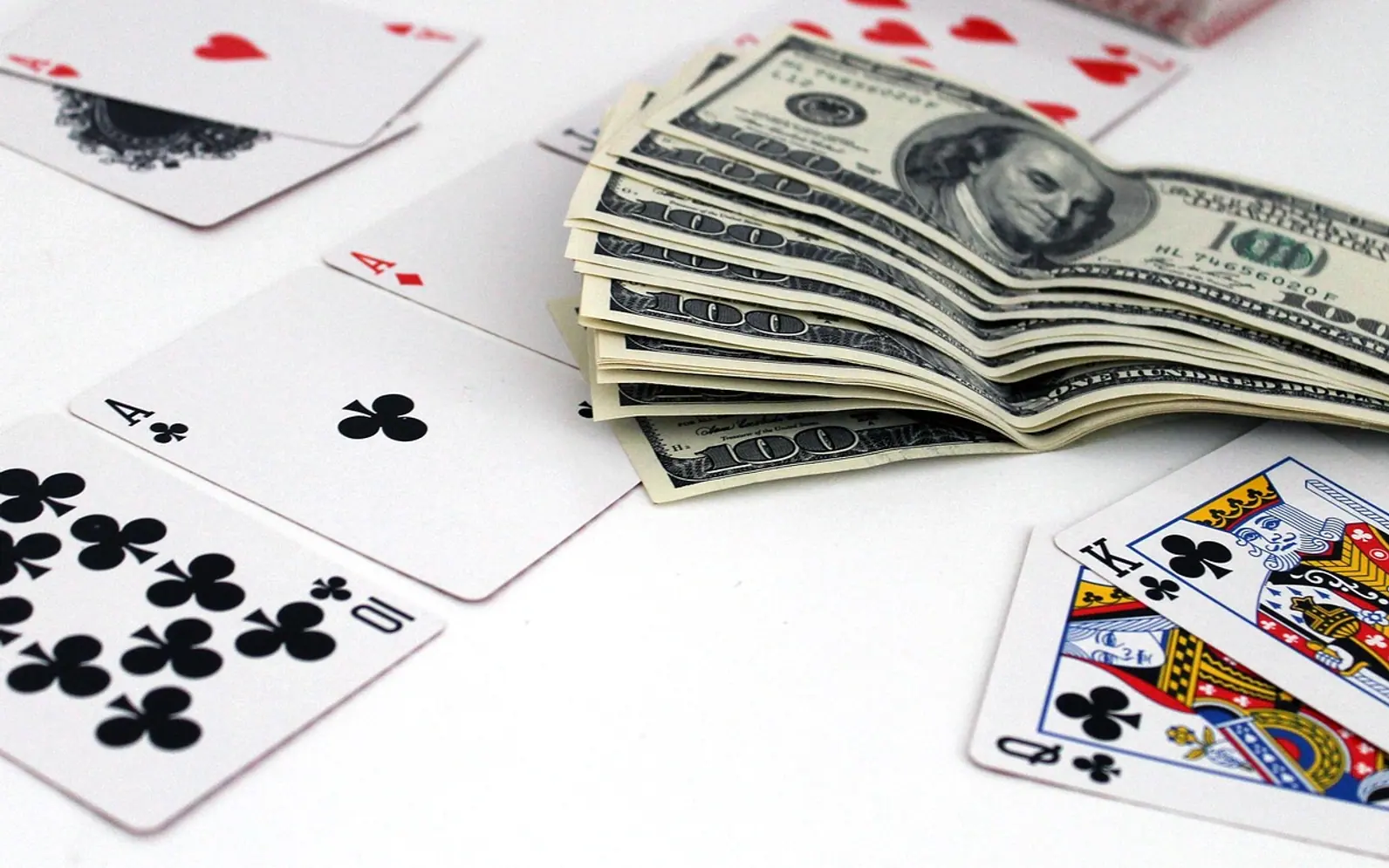
Card games look wonderful on film. The table is a ready-made stage, the stakes are visible in stacks of chips, and a single turned card can carry a whole scene. That is also why films bend the rules so often: real poker is slow, and a realistic final hand would rarely make anyone gasp. A themed evening built on a handful of these films is a good excuse to enjoy the drama and to notice where the screenplay quietly takes over from the deck.
The viewing list
Five films, in an order that moves from the oldest to the lightest. Each comes with a short note on how faithful it is to the games it shows.
The Cincinnati Kid (1965)
Steve McQueen plays a young stud poker player in Depression-era New Orleans who wants to beat the established master, played by Edward G. Robinson. The game is five-card stud, which most viewers today have never played, and the film is patient about it: long sessions, fatigue, players dropping out one by one.
Gets right: the sense that a long game is a test of stamina as much as skill, and that pressure from the people around the table matters. Bends: the final hand, where two enormous holdings meet at once. That kind of collision is possible but so unlikely that card players still joke about it.
Rounders (1998)
Matt Damon is a law student who gives up poker after a heavy loss in an underground no-limit hold'em game, and is pulled back in by a friend fresh out of prison, played by Edward Norton. John Malkovich plays the opponent who took his money, complete with an unforgettable accent and a habit with cookies.
Gets right: more than most films. It treats poker as a grind, talks about bankrolls, shows how quickly a losing session can wipe one out, and makes a point of reading opponents' habits. Bends: the pace. Key hands come along much faster than they would at a real table, and the big rematch is tidier than real heads-up play usually is.
Casino Royale (2006)
Daniel Craig's first outing as Bond swaps the baccarat of Ian Fleming's novel for a high-stakes Texas hold'em tournament at a casino in Montenegro. The poker scenes are the spine of the film rather than a side trip.
Gets right: the idea that information and tells drive the game, and that a player can be outplayed while holding good cards. Bends: the decisive hand, where several players at the table all hold monster hands at once. It makes for a great scene and a very improbable deal.
Molly's Game (2017)
Aaron Sorkin's film, based on Molly Bloom's memoir, follows a former skier who ends up running private high-stakes poker games in Los Angeles and New York. Jessica Chastain plays Molly, with Idris Elba as her lawyer.
Gets right: the business side, which most poker films ignore: who gets invited, who covers losses, and how a game depends on trust between the host and the players. Bends: very little at the table itself, mainly because the film is more interested in the host than in individual hands.
Ocean's Eleven (2001)
Steven Soderbergh's remake is a heist film about robbing a Las Vegas vault, not a gambling film, yet it has some of the most stylish casino floors ever filmed and an early scene of George Clooney and Brad Pitt at a card table.
Gets right: the scale of a big casino's security and surveillance, which is real even if the film's version is heightened. Bends: almost everything about how a casino would actually respond. It is pure fun, which makes it a good closer.
Setting up the evening
Five films is too many for one night, so pick two or three. A classic pairing is The Cincinnati Kid with Rounders, which shows how much poker on screen changed in thirty years. Casino Royale and Ocean's Eleven make a lighter double bill.
A few details make the evening feel deliberate:
- Plan the screen first. Find out in advance where each film is available, whether through a rental, a streaming library or a channel package. Some households bring films and live sport onto one television through a subscription service such as wowiptv.ca; for any of these routes, confirm that the titles you want are really on offer and skim the terms before committing.
- Time it around the game. On a Saturday in hockey season, Hockey Night in Canada can come first and the films after, which suits a group that wants both.
- Put a deck on the table. A real deck of cards and some chips for show let people try the hands from the films. Dealing out the final hand of The Cincinnati Kid face up is a good way to see how unlikely it really is.
- Keep the food simple. Finger food that does not need a fork works best on a coffee table covered in cards.
Watching with a card player's eye
The fun of a themed night grows when everyone watches with a small question in mind: is this hand plausible, and would a real player make that decision? Films compress hours of folding into a couple of dramatic hands, and they reward bold moves that would cost money at a real table far more often than they would win it.
That gap is worth keeping in mind after the credits. Each province sets its own rules for casino games and poker played for money, so learn the local ones before sitting down at a real table, and think of any stake as the cost of an evening out rather than something to win back.
Seen that way, these films become a pleasant way to learn something about the games while enjoying some of the best scenes cinema has set at a card table.
Questions? Write to us.
We read every message.