SheetE·4
A Deck has 52 cards
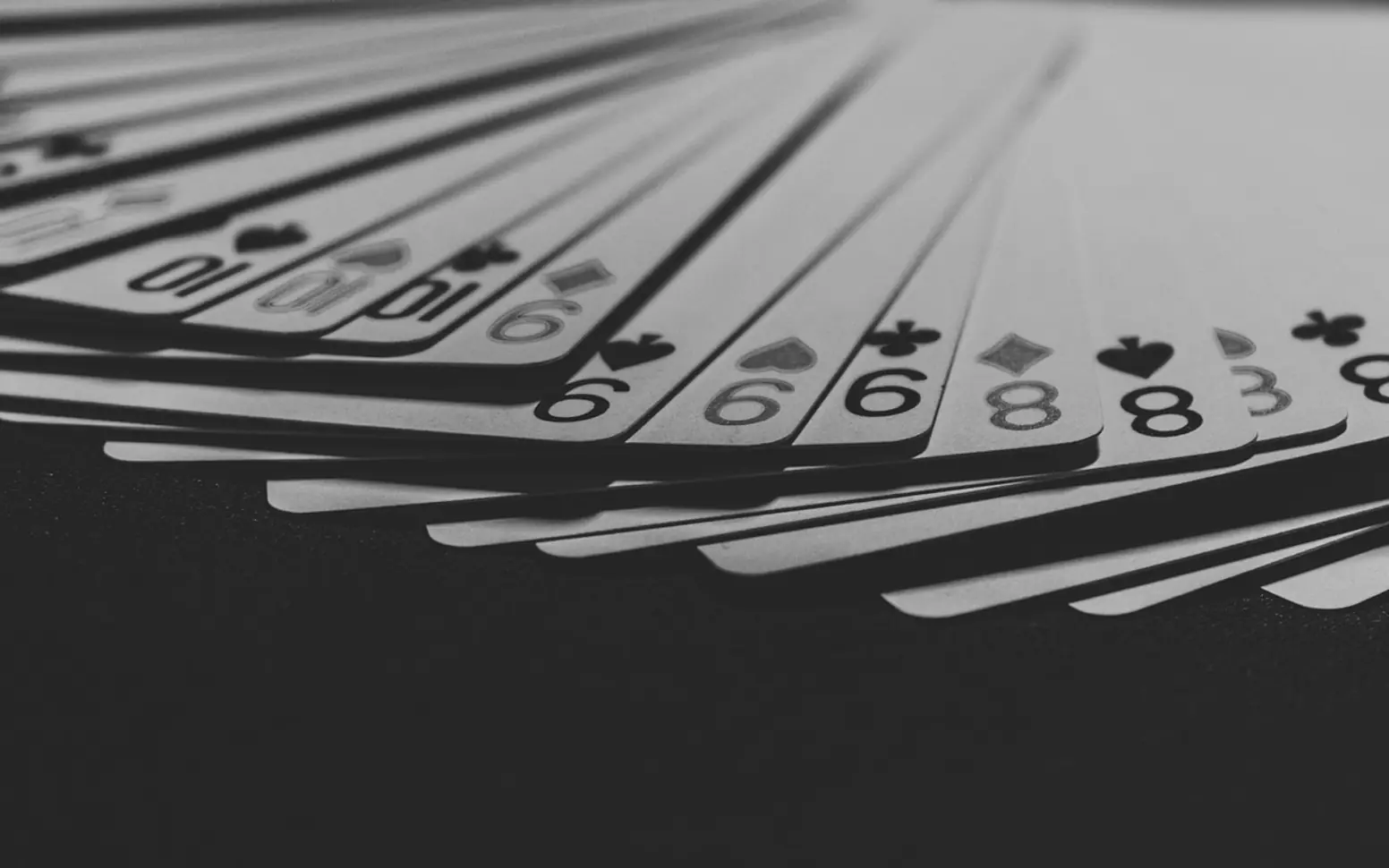
Fifty-two pieces of printed card are behind some of the most studied games in the world. Four suits of thirteen ranks sounds almost too simple, yet that structure is exactly what makes card games different from wheels and dice. Because the deck is finite and every card is accounted for, each card that appears changes what can still come. Understanding this is the first step to understanding why card games reward attention.
The anatomy of a deck
A standard deck holds four suits, hearts, diamonds, clubs and spades, and each suit runs from the ace through the numbers two to ten to the jack, queen and king. Jokers are left out of most casino games. Some quick facts follow directly from that layout:
- There are four cards of every rank, so the chance of drawing an ace from a full, shuffled deck equals four out of fifty-two, which reduces to one in thirteen.
- There are thirteen cards in each suit, so the chance of any single card being a heart is 1 in 4.
- In blackjack, tens, jacks, queens and kings all count as ten, which gives sixteen ten-value cards per deck.
- The number of different five-card poker hands that can be dealt from one deck is 2,598,960.
Cards remember, wheels do not
A roulette wheel has no memory. The ball can land on red ten times in a row and the next spin is still exactly as likely to be red as before. A deck behaves differently while it is being dealt. If three aces have already appeared from a single deck, only one remains, and the chance of the next card being an ace has dropped sharply.
This property is why card games can be analysed in ways that pure chance games cannot. Poker players estimate how many unseen cards would complete their hand, known as counting outs. Blackjack strategy tables are built from the probabilities of the dealer's next cards given what is showing.
Why the online shuffle matters
Online, the picture changes. Most digital card games shuffle the virtual deck before every hand, so the composition starts fresh each time and there is no depleted shoe to track. Live dealer tables use physical cards, but they commonly deal from several decks and reshuffle long before the end of the shoe, or use continuous shuffling machines. In practice, tracking cards to gain an edge is not a realistic approach in online casinos.
What still applies is the maths within a single hand. Knowing the number of cards that help you, and the number that hurt, leads to better decisions about drawing or folding.
Putting the numbers to work
Simple probability habits make any card game easier to follow. Count your outs before calling a bet in poker. In blackjack, remember how many ten-value cards a deck contains when you consider whether the dealer is likely to finish with a strong total. Free-play tables are a good place to practise these calculations without stakes.
Even with perfect understanding, the house edge remains in every banked casino game, and short-term luck can swing in either direction. Card games are adult entertainment, so decide your spending in advance and confirm that online card games for money are permitted where you live.
Questions? Write to us.
We read every message.