SheetG·4
Is Esports a Sport? The Debate, Seen From the Stands
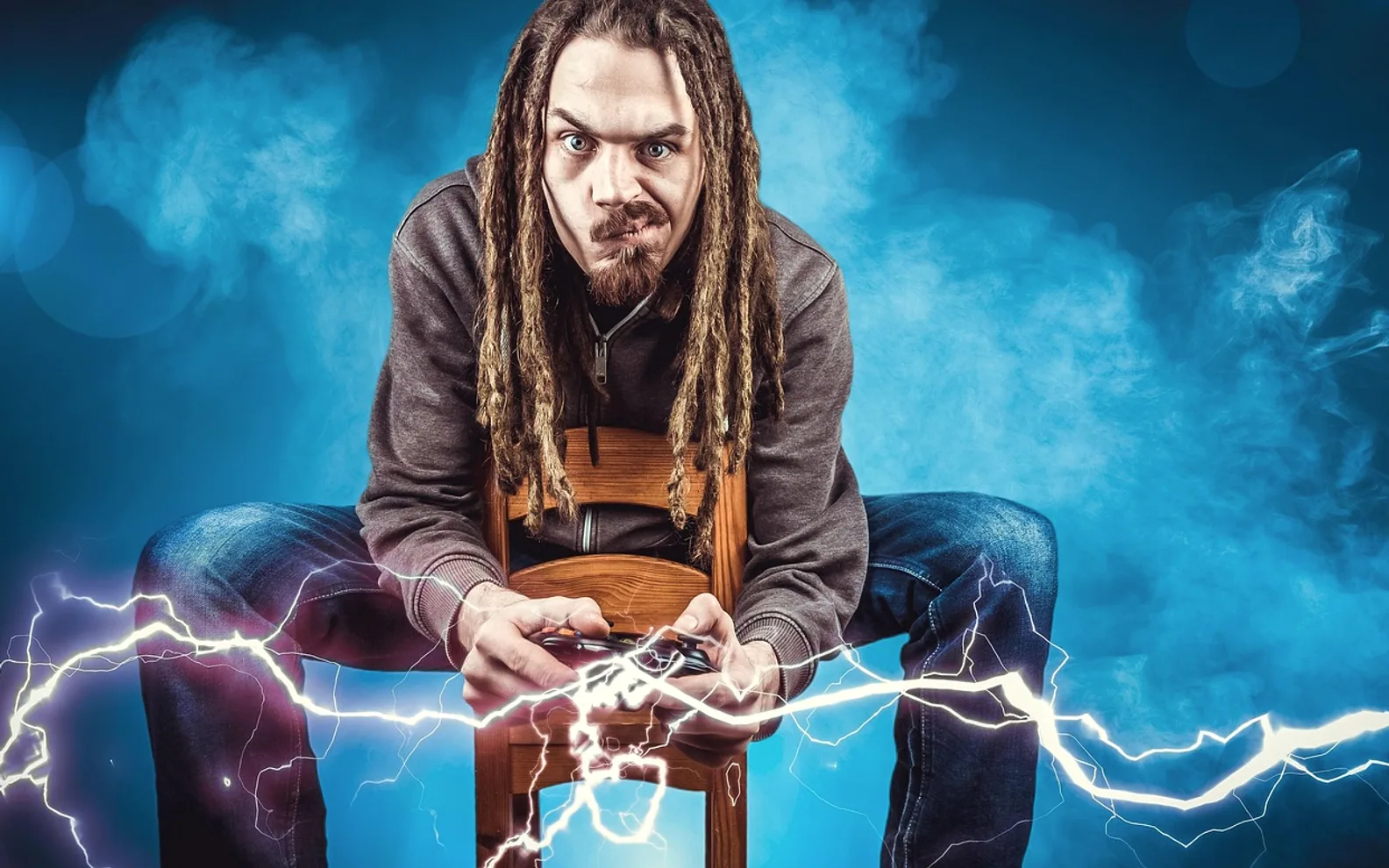
Whether esports is a sport depends on the definition you start from. If a sport means organised competition with fixed rules, decided by skill and practice, with professional players, coaches and leagues, esports qualifies. If a sport must also demand real physical exertion, most video games fall short. Official bodies have landed on both sides, and that split explains why the question keeps coming back.
The case for calling esports a sport
Supporters point to how much of the sporting world esports already mirrors:
- Skill under pressure. Top players combine reaction speed, precise hand control, game knowledge and decision-making in fractions of a second.
- Team play. Five-a-side shooters and strategy games depend on communication, set plays and roles much like a basketball or football side.
- Training routines. Professional teams practise in structured blocks, review footage, scout opponents and employ coaches and analysts.
- Structure. There are leagues, seasons, transfer windows, ranking systems and world championships with live crowds.
- Fan culture. Supporters follow clubs, buy shirts and travel to events in ways any stadium regular would recognise.
Esports has also appeared as a medal event at the Asian Games, which gave it a place inside a traditional multi-sport programme.
The case against
Sceptics usually rest their argument on three points:
- Physical demand. Holding a mouse and keyboard for hours is tiring, but it is not comparable to running, swimming or tackling. Many dictionary definitions of sport stress bodily exertion.
- Ownership of the rules. Football belongs to no one. A competitive video game belongs to the company that makes it, which can change the rules with a patch, decide who may run tournaments, or stop supporting the game altogether.
- Short lifespans. Titles rise and fade within years. A traditional sport accumulates a century of records; an esport may be replaced by its own sequel.
Some sporting bodies also hesitate over shooters, where the theme of the game sits uneasily with their values, and have preferred virtual versions of physical sports instead.
How different bodies answer the question
| Who | Typical position |
|---|---|
| Multi-sport events | Some regional games have added esports medal events; others treat it as a demonstration or leave it out. |
| The Olympic movement | Has run separate virtual and esports-focused events rather than adding esports to the Summer Games programme. |
| Schools and universities | Many run competitive teams, and some offer places or support to players much as they would for athletes. |
| Governments | Approaches vary; some have treated professional players as athletes for visa or registration purposes. |
| Sportsbooks and regulators | Licensed operators in many regions list esports beside football and tennis, but whether that is permitted depends on local law. |
Why the label matters to fans and bettors
The question is not only philosophical. How esports is classified affects practical things:
- Regulation. Where betting law is written around "sporting events", esports may or may not fit the wording, which shapes whether markets can be offered. Our overview of how sports betting rules differ around the world shows how much local frameworks vary.
- Integrity. Traditional sports have long-standing anti-corruption units. Esports has had to build its own integrity bodies and codes, often with fewer resources at lower tiers.
- Audience age. Many esports viewers are teenagers. That makes age checks and careful advertising more pressing than for most traditional sports.
- Sportsbook menus. Esports now sits on the same screens as the competitions in the most popular sports to bet on, which can make it look more familiar than it is.
The publisher factor
The one difference that matters most to anyone following results is the patch. When a developer adjusts weapon damage, character abilities or map design, the game itself changes mid-season. Imagine football altering the size of the goal every few months. Strong teams can drop away after a patch, and form from before the change may say little about what happens next. Tournament structure also tends to be set by the publisher or its partners; our guide to esports tournament formats covers what those structures look like.
Common questions
Do esports players count as athletes?
In everyday language, many people now call them athletes, and teams increasingly treat fitness, sleep and posture as part of performance. Legally, it depends on the country and the purpose.
Is esports in the Olympics?
Not as part of the Summer Games programme. The Olympic movement has instead organised separate events built around virtual and esports competition.
Does it matter what we call it?
For enjoyment, not much. For rules on advertising, betting and integrity, quite a lot.
Where esports betting is allowed at all, it is for adults only and works best as a small, pre-set entertainment cost rather than something to win back.
Questions? Write to us.
We read every message.