SheetB·3
Gambling with Cards
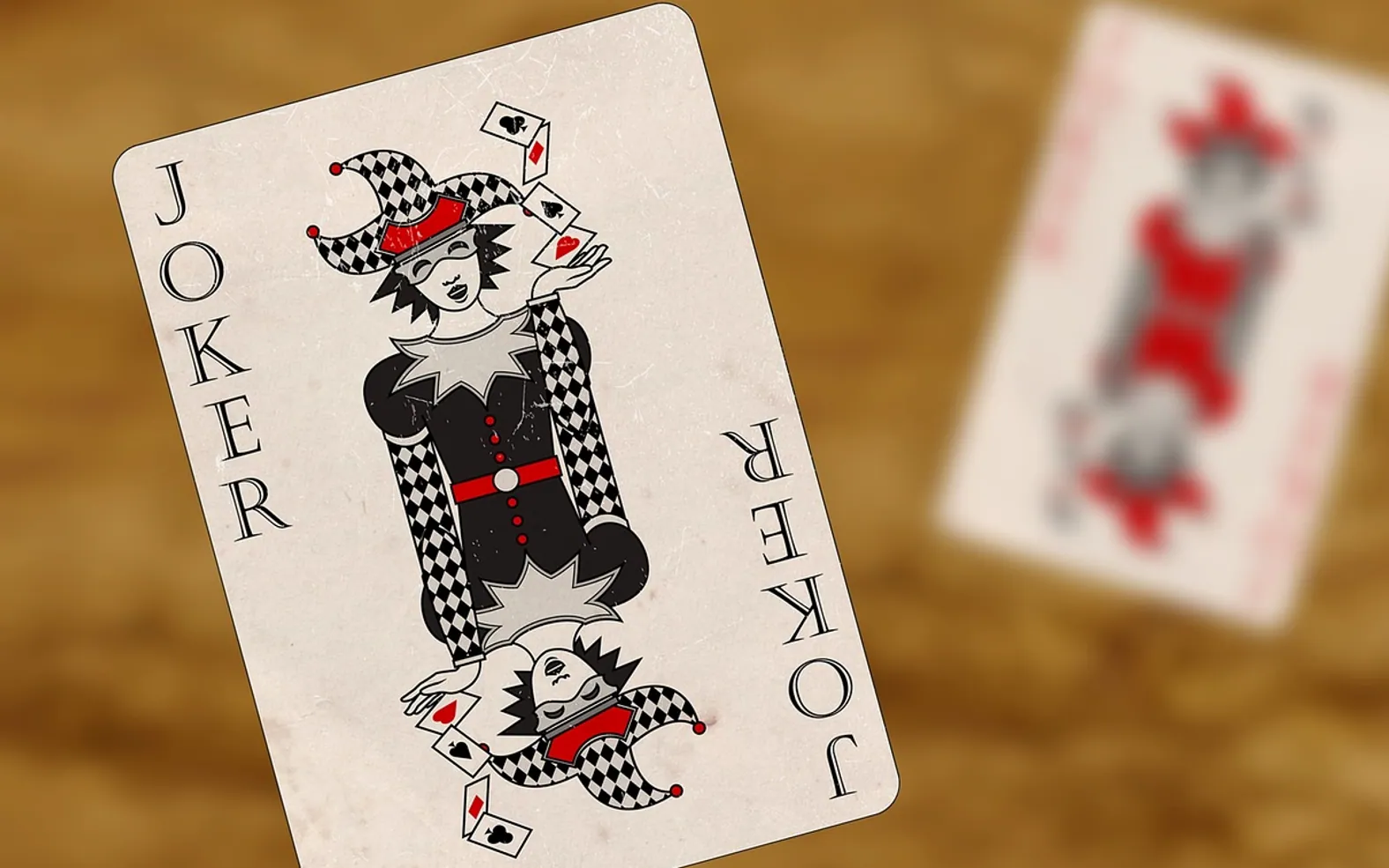
A roulette wheel has no memory. Every spin starts from scratch, and nothing that happened on the previous one changes the next. A deck of cards works differently. Cards already on the felt cannot turn up again before the reshuffle, so every hand quietly reshapes what remains possible, and that simple physical fact is why card tables attract people who like to think while they play.
A closed set of possibilities
A standard deck holds 52 cards: four suits, thirteen ranks, no surprises. Because the set is closed, every situation at the table can be described in terms of what is still left to come. In blackjack, a player holding 16 against a dealer's ten is facing a question with a mathematically best answer. In poker, a player waiting on a flush knows exactly how many of the remaining cards complete it.
That clarity is attractive. It turns a hand into a small puzzle rather than a pure lottery ticket. It also explains why so much has been written about card games and so little about strategies for slots or craps: there is simply more to analyse when choices exist.
Where decisions matter and where they stop
It helps to separate two kinds of card game.
- Games against the house, such as blackjack and baccarat. Here the casino sets the rules and keeps a built-in edge. Good decisions in blackjack shrink that edge, but they do not reverse it in normal play. Baccarat offers almost no meaningful choices at all beyond which bet to place.
- Games against other players, mainly poker. The operator collects a small charge, usually called the rake, from pots or entry fees, while players compete with one another for everything else. Reading opponents, choosing hands and managing bet sizes all influence results over time, though any single session can still swing wildly.
Online versions keep the same logic. A digital blackjack table uses software to shuffle, often after every hand, which removes any value in tracking cards. Online poker replaces faces with timing and betting patterns, so the skills shift without disappearing.
Skill is not the same as control
The appeal of card games sometimes gets oversold. Knowing the correct play does not mean the correct play wins. A perfectly played hand of blackjack loses regularly, and the best poker decision can be beaten by a lucky river card. Skill shows up across hundreds or thousands of hands, not in an evening.
That is why experienced players talk about decisions rather than outcomes. Asking "was that the right choice with what I knew?" is more useful than asking "did I win that hand?", and it keeps emotions from steering the next bet.
Getting started sensibly
- Learn one game properly before trying several. Blackjack basic strategy fits on a single chart; poker hand rankings fit on a postcard.
- Use free or very low-stakes tables to practise the mechanics without pressure.
- Read the table rules. Small differences, such as how a blackjack pays or whether the dealer hits a soft 17, change the house edge.
- Keep notes on sessions, including how long you played and what you spent.
Card games are a pastime for adults, and the money on the table is best seen as the cost of the entertainment; pick that amount before sitting down and make sure this kind of play is permitted where you live.
Cards reward attention more than most casino games do. They will not make the house disappear, but they give a curious player something real to think about, and that is a large part of their lasting charm.
Questions? Write to us.
We read every message.