SheetB·2
Why does size deck matters in BlackJack?
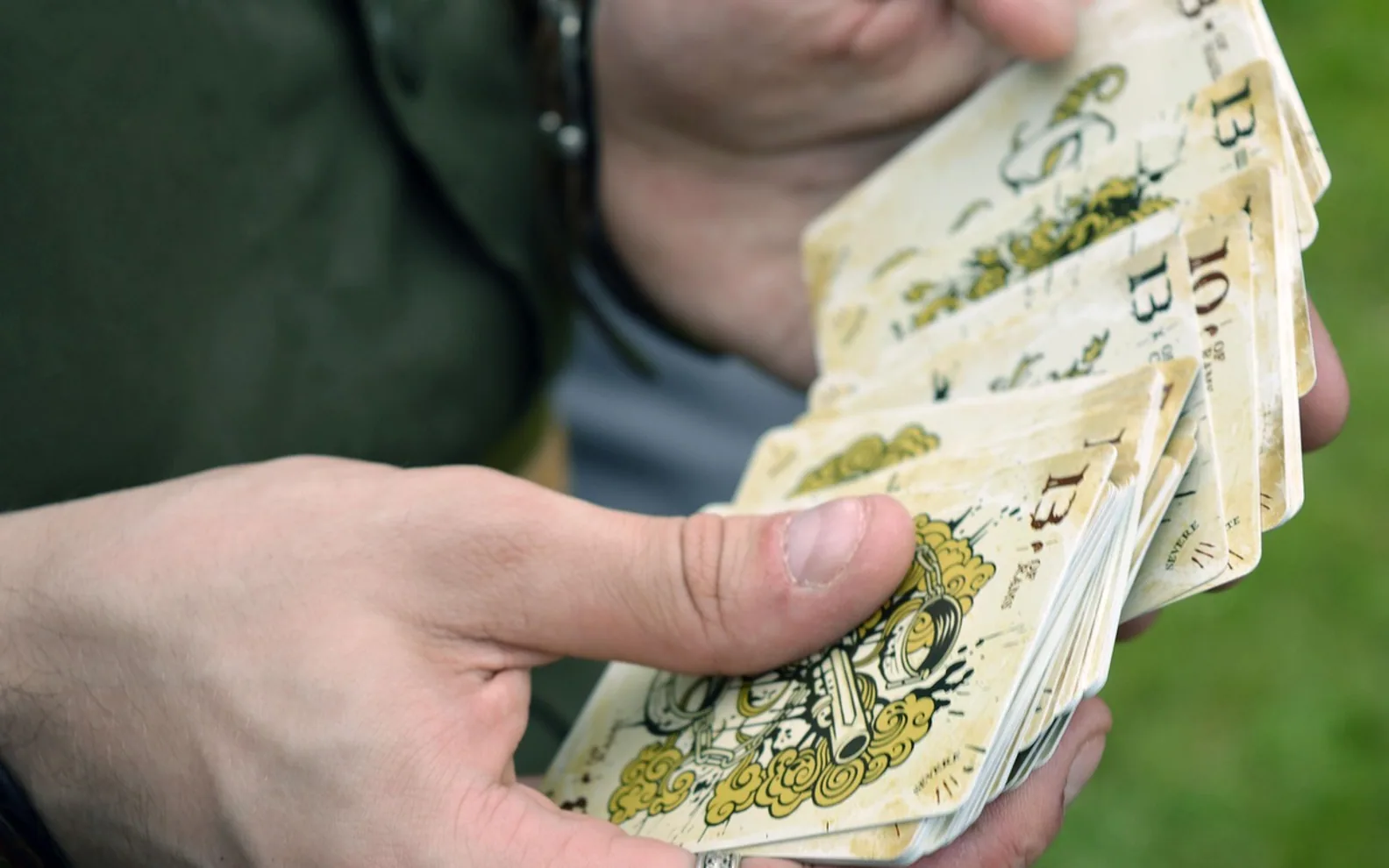
Blackjack is unusual among casino games because the cards have memory. A dealt card stays out of play until the next shuffle, so the makeup of what remains shifts slightly with every hand. How strongly that shift is felt depends on one simple variable: how many decks are in play.
The card removal effect
A single deck holds four aces and sixteen cards worth ten (tens, jacks, queens and kings). Take one ace out of a single deck and the share of aces left drops noticeably. Take one ace out of an eight-deck shoe and the change is almost invisible, because thirty-one aces remain among hundreds of cards.
That is the whole mechanism in a sentence: the fewer decks, the more each dealt card alters the odds of what comes next. Players and dealers are affected alike, but the rules of blackjack happen to let players benefit from some of those shifts more than the dealer does.
A worked example: the natural
Being dealt an ace plus a ten-value card as your first two cards is the classic blackjack. With one deck, the arithmetic goes like this: the chance of an ace first is 4 in 52, and then a ten-value card is 16 in the remaining 51. The reverse order adds the same amount again. The result is a little over 4.8 percent.
With an eight-deck shoe the same calculation uses 32 aces and 128 ten-value cards out of 416. Because removing the first card barely dents the shoe, the result lands slightly lower, at roughly 4.75 percent. The gap looks tiny, but naturals usually pay a bonus, so small differences in how often they arrive matter over many hands.
Doubling and splitting
The same principle touches other decisions. When a player doubles down on eleven, the hope is to draw a ten-value card. In a single deck, the cards already visible on the table change those odds more than they would in a large shoe. Pairs behave similarly: splitting eights leaves fewer eights in a small deck, making a third eight less likely.
These effects are part of why basic strategy charts differ slightly for single-deck and multi-deck games. The changes are small and mostly occur in borderline hands.
Why the casino adjusts the rules
Since fewer decks lean a little in the player's direction, operators rarely offer single-deck games with otherwise generous rules. Common counterweights include:
- paying a natural at 6:5 instead of 3:2, which costs far more than the deck count gives back;
- having the dealer hit soft 17;
- restricting doubling to certain totals or banning doubling after a split;
- shuffling more often so fewer hands are dealt from each deck.
The upshot is that deck count matters mathematically, but it is only one line in a longer rule sheet. A multi-deck table with good rules can be friendlier than a single-deck table with poor ones. Either way, the house keeps its edge, and no deck size turns blackjack into a reliable earner.
Blackjack is for players aged 18 and over; treat it as paid entertainment, set a stop point for each session and make sure casino games are allowed where you live.
Questions? Write to us.
We read every message.