SheetB·1
Does size of the deck really matters
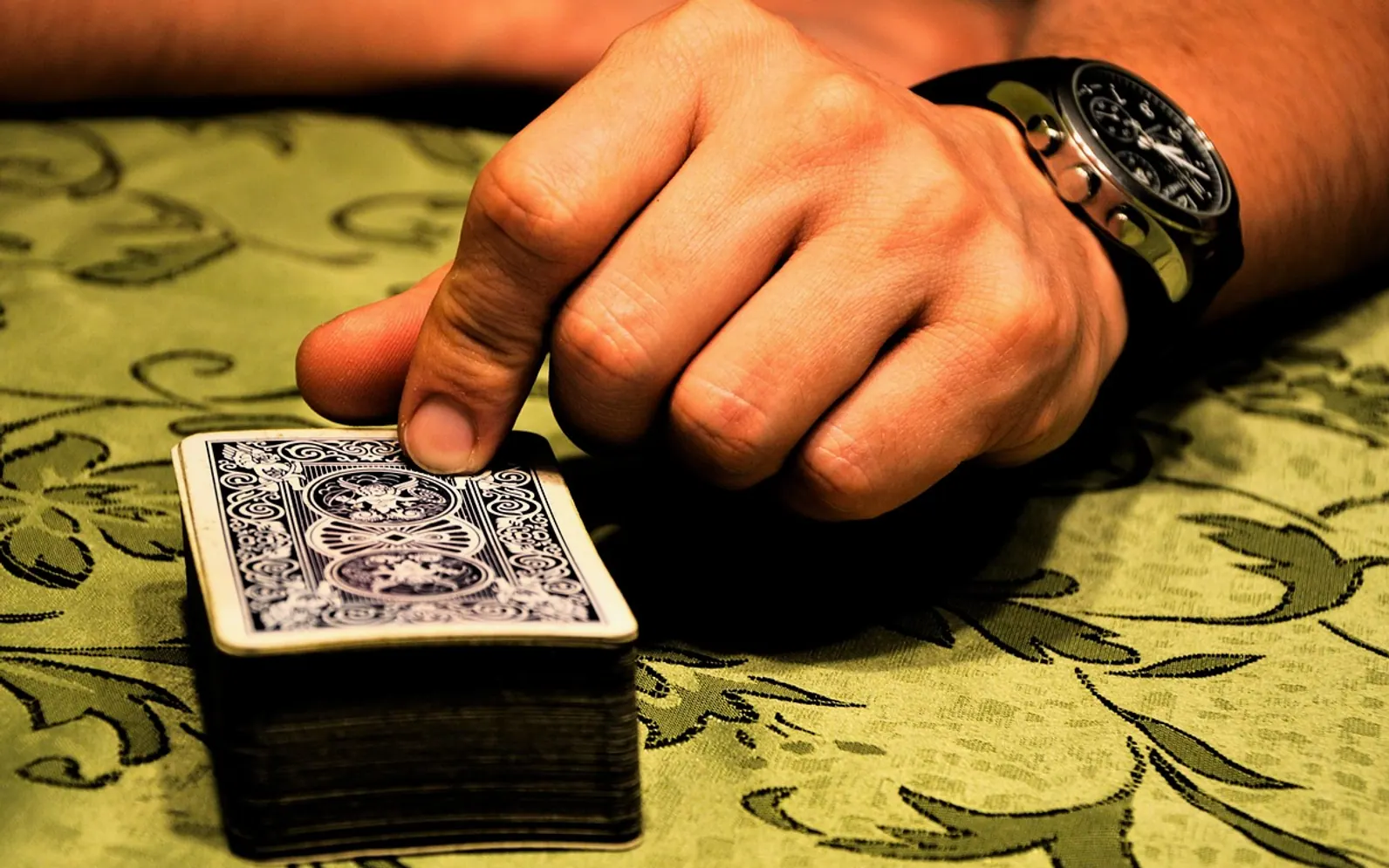
Ask a group of regular blackjack players whether deck count matters and you will hear confident answers in both directions. The fair reply is "yes, a bit, but less than most of the other things printed on the table sign". For someone choosing where to sit, that ordering is what counts.
What actually changes with more decks
Adding decks smooths out the game. Each card dealt has less influence on the cards that follow, so the odds stay closer to their average from hand to hand. In principle that nudges things slightly toward the house compared with a single deck under identical rules. The key phrase is "identical rules", because tables almost never differ in deck count alone.
A quick checklist before sitting down
- Payout for blackjack. A table paying 3:2 for a natural is far better for the player than one paying 6:5. This single line usually outweighs any deck difference.
- Dealer on soft 17. Standing on soft 17 is the friendlier rule for players.
- Doubling options. Being able to double on any first two cards, and after splitting, gives more flexibility.
- Surrender. Where offered, giving up half a bet on a very weak hand can be useful.
- Number of decks. Worth noting, but only after the points above.
Online tables are a different case
| Format | How shuffling works | Does deck count matter? |
|---|---|---|
| RNG blackjack | Usually a fresh virtual shuffle every hand | Only for the starting composition of each hand |
| Live dealer | Physical shoe, reshuffled at a cut card | Yes, in the usual small way |
| Land-based with continuous shuffler | Cards return to the machine constantly | Effect largely flattened |
Software versions often reshuffle after every round, which means cards from earlier hands never shape later ones. Some sites list the deck count in the game info panel; when they do, read the payout and dealer rules in the same panel, since those details carry more weight.
The counting question
Discussions about deck size often drift toward card counting. Tracking cards can, in theory, show moments when the remaining deck is richer in high cards. In practice, frequent shuffles, continuous shufflers and online reshuffling remove most of that opportunity, and venues are free to limit or refuse play to anyone they suspect. It is not a dependable route to profit, and treating it as one tends to end with chasing losses.
The practical answer
Deck count is a minor factor you can note and then mostly set aside. A friendly payout, a sensible dealer rule and decent doubling options do more for a player than finding the table with fewest decks. Whatever the format, the house retains its advantage over time.
Card games for money are for grown-ups only: agree a spending cap with yourself beforehand and check the local regulations on casino play before you join a table.
Questions? Write to us.
We read every message.