SheetA·8
Explaining Slot Machine Odds
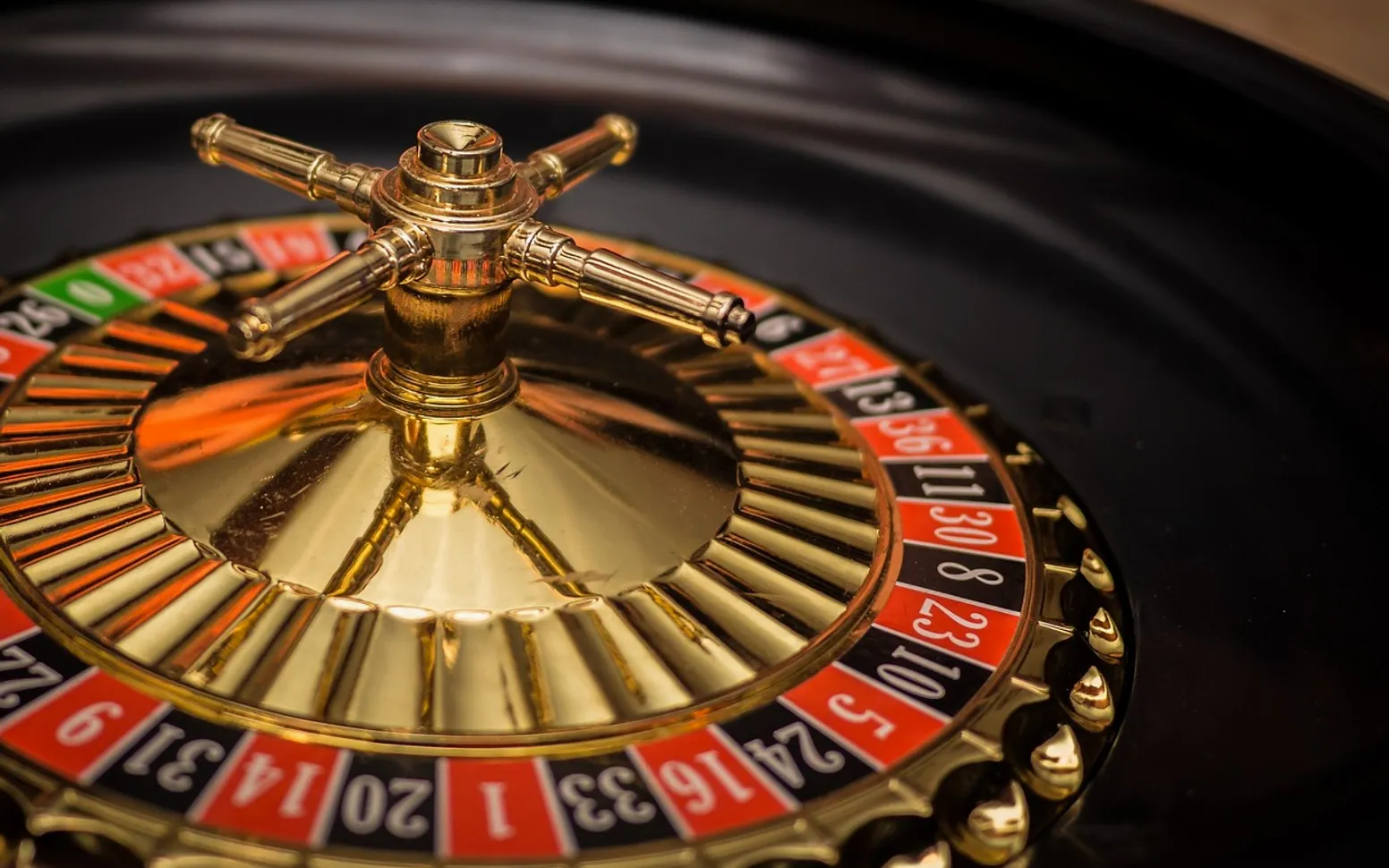
Behind the lights, animations and themed soundtracks, every slot machine is a piece of mathematics. It does not care about lucky hours, recent streaks or the way the button is pressed. Once the basic mechanics are clear, a lot of common slot folklore falls away, and what remains is a clearer picture of what a spin really costs and what it can return.
The random number generator
At the heart of every modern slot sits a random number generator, or RNG. It produces a constant stream of numbers, far faster than any person could follow, even when nobody is playing. At the moment a spin is triggered, the game grabs whatever number is current and translates it into reel stops. The animation that follows simply displays a result that has already been decided.
Two consequences follow. First, every spin is independent: the previous spin has no influence on the next one. Second, timing is meaningless. Stopping the reels early, spinning at a particular hour or switching machines changes nothing about the probabilities. In regulated markets, RNGs are tested by independent laboratories to confirm that their output behaves randomly.
Return to player in plain words
Return to player, or RTP, describes what share of all money staked a game pays back on average over a very large number of spins. If a game's stated RTP is a little below 100 percent, the gap between that figure and 100 is the house edge.
The important words are "on average" and "very large number". Within one evening, actual results may sit well over or well under that figure. A session might end with a big win or with nothing at all. The figure only becomes visible across huge volumes of play, which is why it describes the game rather than any individual session. Many online slots list their RTP in the information or help screen.
Volatility: how the money arrives
Two slots with the same RTP can feel completely different. Volatility, sometimes called variance, describes how that return is distributed.
- Low volatility: frequent small wins, gentle swings, a balance that tends to drift rather than drop.
- Medium volatility: a mix of modest wins and occasional larger ones.
- High volatility: long quiet stretches broken by rare, larger payouts, with much bigger swings in both directions.
Choosing a volatility level that suits your budget and patience makes more difference to enjoyment than almost anything else.
Paylines, symbols and hit frequency
Classic machines paid on a single central line. Modern slots may use dozens of lines or systems with hundreds of ways to win. More lines mean more spins return something, but much of that is a partial refund of a larger total stake. The paytable shows what each combination pays, and high-value symbols are deliberately rarer than low-value ones.
Near misses, where a jackpot symbol stops just above the line, are part of the visual design, not a sign that a big win is close.
Myths to leave behind
A machine is never "due" to pay, and a "hot" machine is not more likely to keep paying. Each spin starts from the same odds. Treat slots as entertainment with a known cost, decide your budget before the first spin, and check that online slots are permitted in your country.
Questions? Write to us.
We read every message.